SCAE Continuing Education and Meetings
Catch up on what’s new in dentistry and in Endodontics.
Your connection to Endodontics in Southern California.
Mission Statement of the Southern California Academy of Endodontics
To help maintain a high standard of endodontic practice by
presenting continuing education programs.
To help promote an interchange of ideas among its members
on methods of pulp conservation and endodontic techniques or procedures.

Current Program:
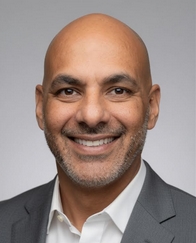
Rahim Karmali, DDS
Saturday, November 7, 2026
- Lecture I: Acute Myofascial Pain and the Odontogenic Connection Lecture II: Beyond Implants: Rediscovering Our Roots
Lecture Presentations I and II 9 a.m. – 1 p.m.
BIOGRAPHY: Dr. Rahim Karmali is a globally respected clinical endodontist and speaker. He is known for a conservative, patient-centered approach to complex cases. He earned his DDS from the University of Washington, served as a Dental Officer with the U.S. Navy. He completed his endodontic specialty training at the Long Beach VA Medical Center. He is a Past President of the International Academy of Endodontics and was a co-author to the textbook “Best Practices in Endodontics.” His polished presentations challenge conventional thinking with evidence-based, clinically grounded insights that help dentists keep more natural teeth.
Let’s redefine endodontic care by mastering the challenges of myofascial pain. Did you
know that up to 30% of patients presenting with pain in general practice may experience
myofascial pain, often mimicking endodontic issues and complicating diagnosis? This
presentation delves into the intricate overlap between these conditions, which can occur
simultaneously, creating diagnostic hurdles that affect post-operative success.
Attendees will discover how accurate differentiation and effective management can
reduce complications, leading to better experiences for you, your patients, and your
referring community.
Myofascial pain, a common yet not fully explored concern in the endodontic community,
impacts many patients. This session will provide a concise overview of its etiology,
share key diagnostic cues—such as trigger point identification—and offer practical
clinical management strategies, including advanced imaging and therapeutic
techniques. Through real-world insights, you’ll learn to navigate these challenges,
ensuring optimal patient care and a holistic approach in endodontics.Learning Objectives
1. Differentiate Myofascial and Endodontic Pain:
Develop the ability to distinguish myofascial pain from endodontic pain using clinical
signs and patient history, improving diagnostic accuracy.
2. Analyze the Impact on Post-Operative Outcomes:
Explore the correlation between untreated myofascial pain and post-operative flare-ups,
and learn strategies to mitigate these risks for enhanced recovery.
3. Implement Effective Diagnostic and Management Techniques:
Acquire practical skills to diagnose and manage acute myofascial pain, incorporating
techniques like trigger point and red-light therapies, to optimize patient comfort and
treatment success.Beyond Implants: Rediscovering Our Roots
Beyond Implants: Rediscovering Our Roots
The rise of dental implants has revolutionized dentistry, yet their growing popularity
raises a critical question: Are we forgetting our roots and how to save our patients’
teeth? This presentation will explore how implants, while a valuable option, may
sometimes lead us to overlook opportunities for preserving compromised teeth. We’ll
examine why maintaining the ability to save natural teeth remains essential; particularly
for patients facing financial barriers, medical limitations, or a preference for retaining
their natural dentition.
Through real-world clinical examples, we’ll showcase successful endodontic and
restorative management of complex cases. Attendees will see how advanced
technology, like CBCT imaging and dental lasers, pairs with time tested techniques and
materials to empower dentists to preserve teeth that might otherwise be extracted. This
session underscores the importance of upholding and advancing endodontic and
restorative skills, equipping us to offer patients the full spectrum of care.Learning Objectives
1. Recognize the Value of Balancing Implants and Endodontics:
Understand how the growing reliance on dental implants may lead to overlooking
opportunities to save natural teeth and why restoratively driven endodontics is critical for
comprehensive patient care.
2. Apply Advanced and Traditional Endodontic Techniques:
Learn to integrate modern technologies, such as CBCT imaging and dental lasers, with
time-tested methods and materials to effectively manage complex cases, including deep
caries, fractures, resorption, and large infections.
3. Enhance Clinical Decision-Making for Tooth Preservation:
Develop strategies through real-world clinical examples to confidently preserve
compromised teeth, enabling dentists to offer tailored treatment options that respect
patients’ financial, medical, or personal preferences
Patients and clinicians are often confronted with situations where a tooth can be saved by either endodontic treatment/retreatment/surgery or extraction and replacement with an implant. This presentation will show a case series where a methodical approach to assess the viability of saving teeth with “BIG LESIONS” as opposed to extraction and replacement with an implant.
At the end of this presentation, the audience will:
- Review a case series involving “Big Lesions” to determine when endodontic treatment is appropriate and when alternative approaches may be indicated.
- Learn how to conduct comprehensive clinical and radiographic examinations, including thorough periodontal evaluation, pulpal vitality testing, and periapical assessment.
- Emphasize the importance of detailed patient evaluation in the diagnosis and management of Endo-Perio lesioins.
Phoenicia Restaurant
343 Central Avenue
Glendale, CA 91203
Saturday, November 7, 2026
Registration/Breakfast 8:00am – 9:00am
Lecture 9:00am – 1:00pm